Strategies to Combat Isolation in Senior Citizens
Updated: Nov 10, 2024
Social isolation is a growing concern among senior citizens, with significant effects on both mental and physical health. Studies show that isolation can lead to a range of issues, including depression, cognitive decline, and even an increased risk of chronic illness. However, there are many practical strategies that seniors and their loved ones can adopt to prevent isolation and promote a more connected lifestyle.
This blog outlines effective tips and activities to help seniors stay socially engaged. If you missed the first one, click here!
1. Join Clubs or Social Groups
One of the best ways for seniors to combat loneliness is by joining clubs or social groups. Whether it’s a book club, gardening group, photography class, or a local walking club, these activities provide regular opportunities to interact with like-minded individuals. Participating in these groups not only builds friendships but also helps seniors stay physically active and mentally stimulated.
The Administration for Community Living (ACL) provides an array of activities designed to help seniors stay engaged and active. You can explore their resources on Commit to Connect to find a variety of events and groups tailored to older adults.

2. Leverage Technology for Social Connections
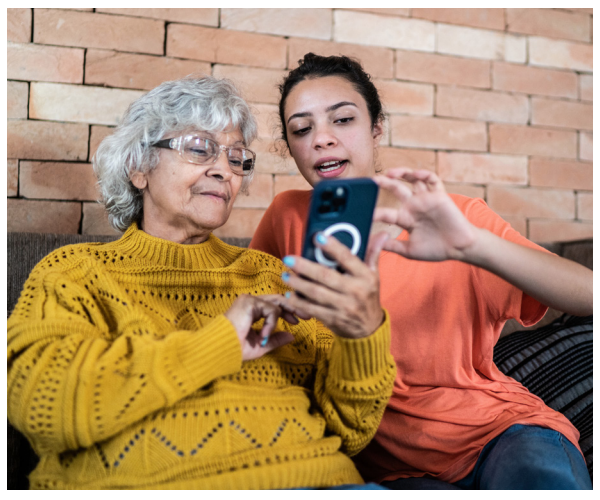
Technology has become a vital tool in maintaining social connections, especially for seniors who might be limited in their ability to meet in person. Platforms like Zoom, Google Meet, and FaceTime make it easy to stay in touch with family and friends, regardless of the distance. While some seniors may be hesitant to embrace technology, learning to use these tools can open up new worlds of interaction and engagement.
For a deeper dive into how seniors can use technology to stay connected, including tips, tricks, and innovative programs, be sure to check out Blog 4: Innovative Programs and Technologies to Connect Isolated Seniors.
3. Participate in Community Programs
Community programs are a fantastic way for seniors to meet new people, engage in fun activities, and feel part of a supportive network. Many local community centers and senior service organizations offer events ranging from game nights and arts and crafts to educational lectures and fitness classes.
There are also online tools that family members and caregivers of older adults can use to take proactive steps to build social connections that can make a significant difference.
The Social Health Connector is a helpful tool that guides older adults in reflecting on their social connections and creating a personalized Social Connection Plan. By answering simple questions, they will receive a plan that highlights areas where they can receive support and suggests areas for improvement. If you're in Virginia, the tool also provides a personalized list of community resources to support your journey toward building stronger connections.

4. Volunteer Opportunities
Volunteering can be a rewarding experience for seniors, providing them with a sense of purpose while also expanding their social circle. Many organizations actively seek older adults to share their time, wisdom, and skills with others in the community. Whether it's reading to children, helping out at a food bank, local meal delivery service, or supporting animal shelters, the act of giving back can significantly reduce feelings of loneliness and isolation.
Additionally, volunteering can lead to new friendships and connections that might not have otherwise developed, creating a strong support system for seniors. It’s a powerful way to stay active, both mentally and physically, while making a meaningful impact.
5. Adopt a Pet
Pets can be wonderful companions for seniors, providing emotional support, reducing stress, and encouraging physical activity. The presence of a pet can alleviate feelings of loneliness, offering unconditional love and companionship. For seniors who are able to care for animals, adopting a dog or cat can be a life-changing experience.
Even if adopting a pet full-time isn’t feasible, some organizations offer pet visitation programs where volunteers bring animals to visit with seniors. This allows older adults to enjoy the companionship of a pet without the full-time responsibility.

6. Stay Physically Active
Physical activity is closely linked to mental well-being, and it plays a significant role in combating social isolation. Group exercise classes, such as yoga, tai chi, or water aerobics, are not only great for physical health but also provide social interaction in a fun and supportive environment.
Many local fitness centers and community groups offer classes specifically for seniors, helping them stay active at their own pace. Engaging in regular physical activity can improve mood, energy levels, and overall health, making it easier for seniors to stay socially engaged.

7. Maintain Regular Family Interactions
Family support is crucial in preventing senior isolation. Regular visits, phone calls, or video chats with family members can make a significant difference in a senior's life. Organizing family gatherings, game nights, or even planning a weekly meal together can help keep loved ones connected.
Encouraging younger family members to spend time with older relatives fosters intergenerational relationships, which can be particularly enriching for seniors. It’s important to create a routine of consistent communication to ensure that older family members feel valued and included in the family dynamic. The next blog will dive deeper into the role of family members and caregivers in reducing loneliness and social isolation, don’t miss it!
8. Seek Professional Support if Needed
Sometimes, despite all efforts, seniors may still struggle with feelings of isolation or depression. In these cases, seeking professional support from a counselor or therapist can be beneficial. Many mental health professionals specialize in working with older adults, helping them navigate the unique challenges of aging and social isolation. Addressing mental health is a key component in maintaining a fulfilling and connected life.
Combating isolation in seniors is a multifaceted effort that involves staying active, engaged, and connected to others. Whether it’s through clubs, technology, volunteering, or community programs, the key is finding activities that bring joy and fulfillment. By taking these steps, seniors can significantly improve their quality of life, fostering a sense of purpose, happiness, and connection in their golden years.


Comments